
Denim & washing
Choosing the right pumice size for denim stone washing
Small, medium or large stones? How pumice size affects abrasion, contrast, stone life and fabric safety in garment wash plants.
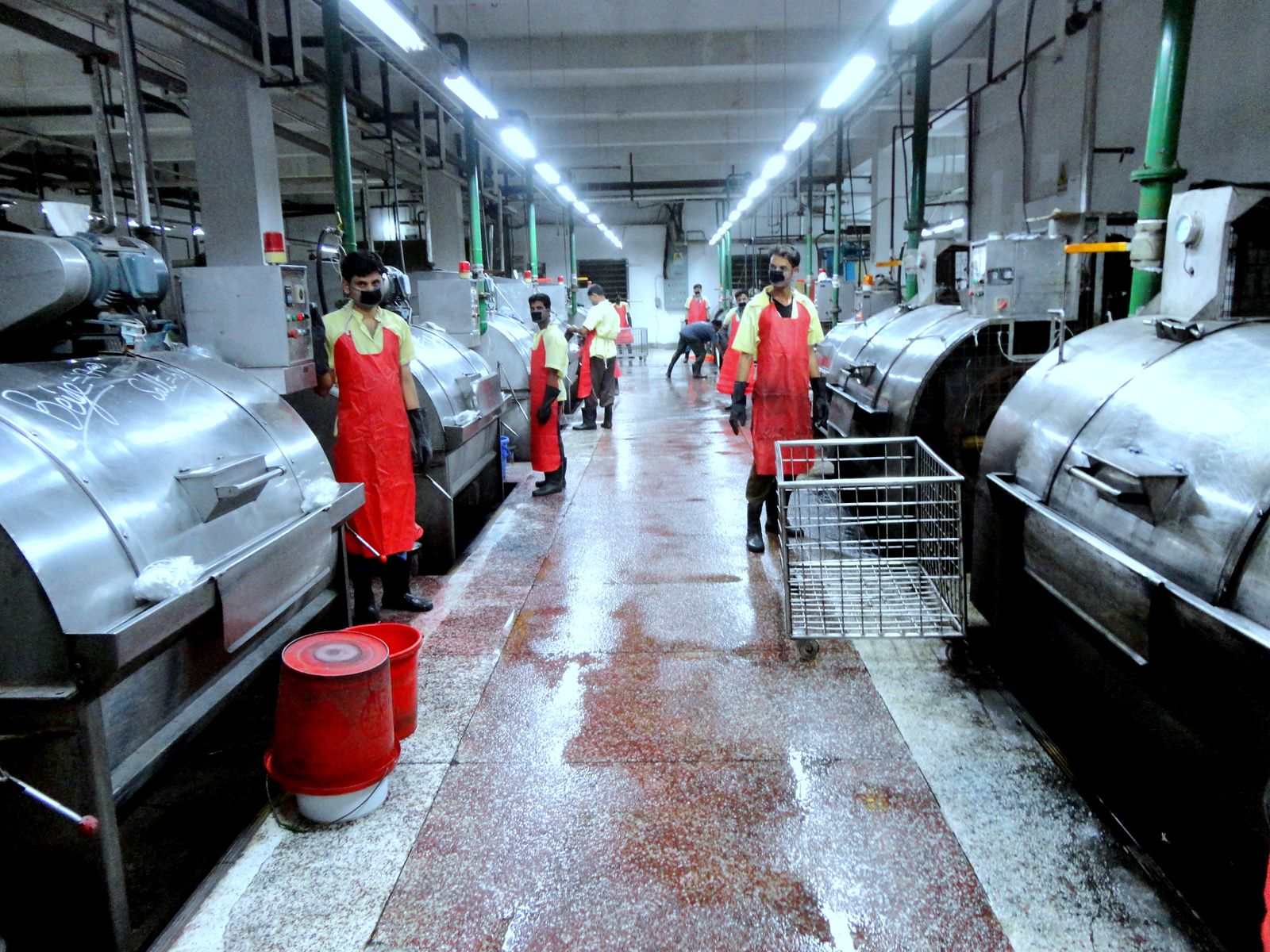
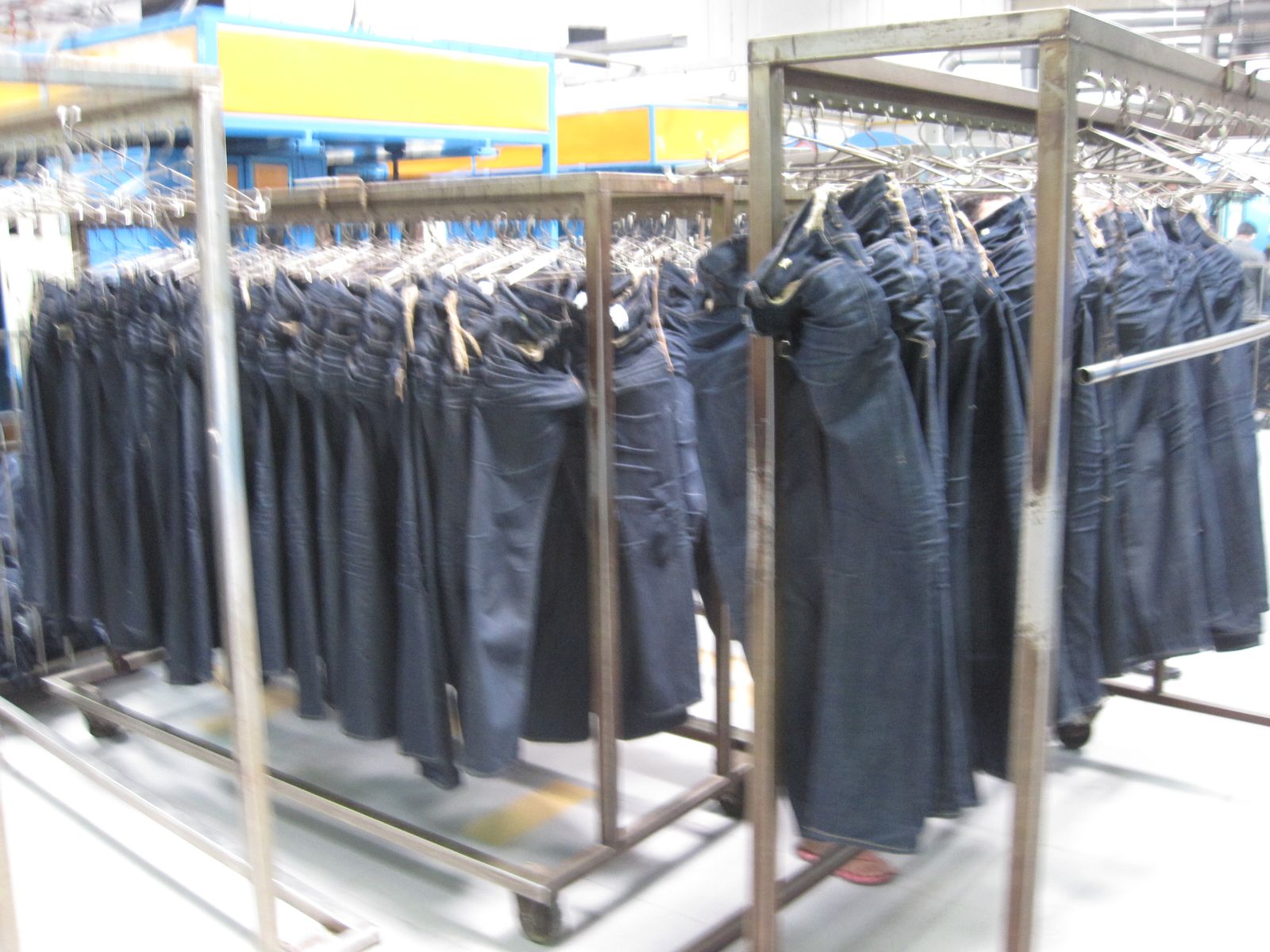
Stone washing is still one of the most recognisable ways to give denim a worn, vintage look. The stone does the work: as the drum turns, pumice rubs against the garment surface and removes indigo from the yarn tips, revealing the white core underneath. The size of the stone you load changes the result more than almost any other variable.
How stone size changes the wash
- 1–3 cm — light fabrics and soft vintage looks. Fine, even abrasion that is gentle on seams.
- 3–5 cm — the general-purpose stone wash. Balanced abrasion and stone life.
- 5–7 cm — heavy denim and strong contrast. Aggressive abrasion on seams and edges.
Smaller stones reach more of the fabric surface and give a more uniform fade. Larger stones hit harder, create stronger contrast on seams, pockets and hems, and last longer in the drum — but they also increase the risk of damage on lighter fabrics.
Things to agree with your supplier
- Sizing tolerance. Ask what share of a bag falls outside the stated range. Consistent sizing makes recipes repeatable from lot to lot.
- Dust and fines. Washed, low-dust pumice reduces sludge in the machine and the effluent load on your ETP.
- Hardness and density. Softer stone breaks down faster; denser stone lasts longer but abrades more.
- Packing. 25 kg bags are easier to dose by hand; 1 MT big bags suit high-volume plants.
Combining pumice with enzymes
Many laundries now combine pumice with cellulase enzymes to cut the stone load — and with it machine wear, back-staining and sludge — while keeping the same look. An anti-back-staining agent in the same bath helps keep pockets and whites clean.
Run a trial lot on your own fabric and machine before switching grades. Ranveil can arrange trial quantities for comparison washes.
This article is sample content for the website review.