

Compliance
Reading a safety data sheet: what every chemical buyer should check
An SDS has 16 sections. These are the ones purchasing, stores and EHS teams should read first — and the version details to confirm on every delivery.
A safety data sheet (SDS) is the standard document that describes the hazards of a chemical product and how to handle, store and dispose of it safely. Most SDSs follow the 16-section structure of the Globally Harmonized System (GHS). You don’t need to memorise all of it — but a few sections deserve attention every time a new product or a new SDS version arrives.
Sections to read first
- Section 1 – Identification. Product name, supplier and emergency contact. Check that the name matches your purchase order exactly.
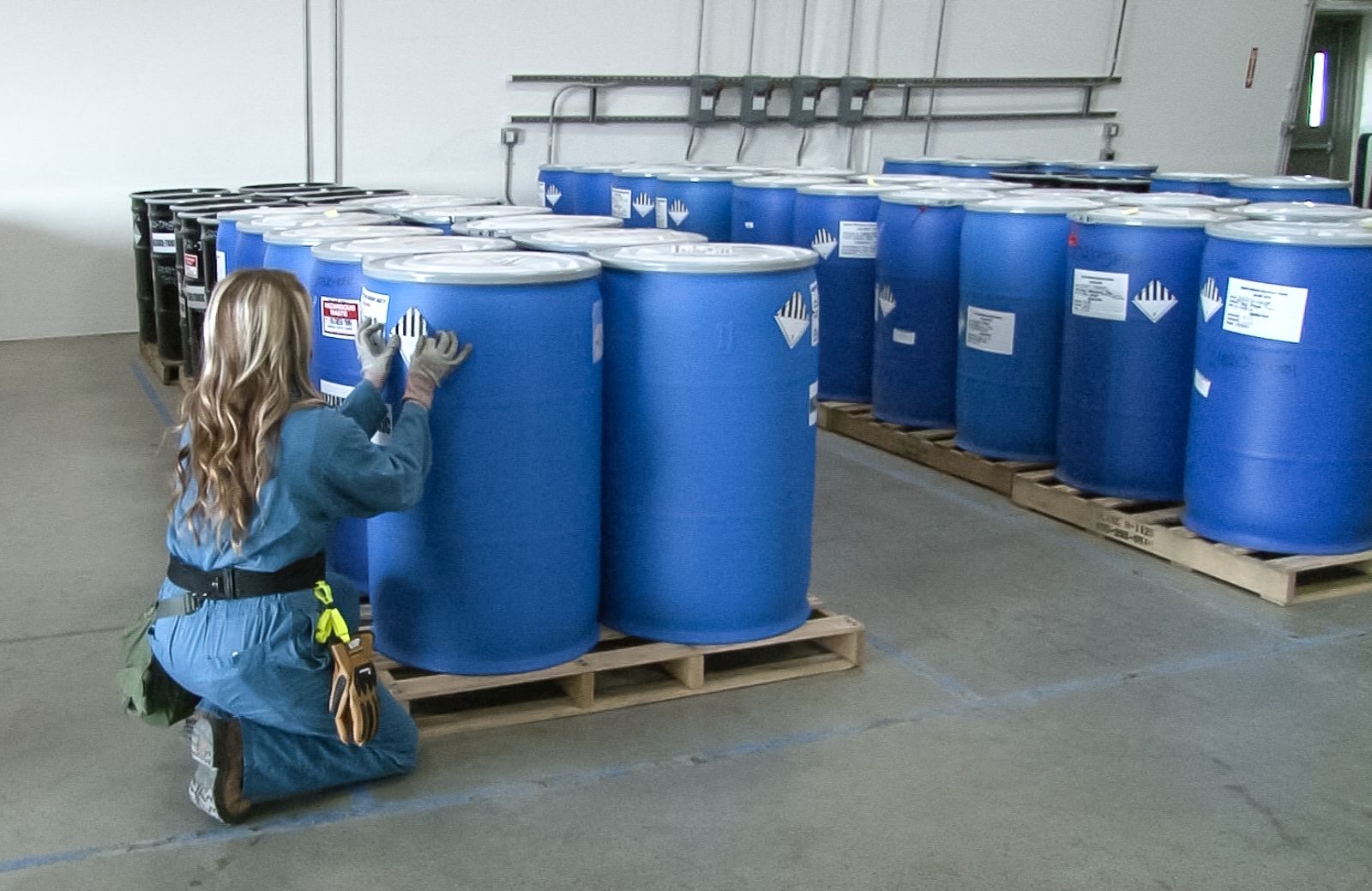
- Section 2 – Hazards identification. GHS pictograms, signal word and hazard statements. This is the quickest summary of the risk.
- Section 7 – Handling and storage. Incompatible materials and storage conditions — for example, keeping oxidisers away from organics and acids away from alkalis.
- Section 8 – Exposure controls / PPE. Gloves, goggles, respiratory protection and ventilation.
- Section 13 – Disposal. Important for ETP and waste-handling teams.
Version control matters
An SDS is revised when formulations or regulations change. On every delivery, confirm:
- The revision date and version match the latest copy you hold.
- The language is suitable for the people handling the product.
- The SDS is for the exact grade delivered, not a similar product.
On Ranveil product pages, each document shows its type, language, version and revision date for this reason.
This article is sample content for the website review. It is general information, not legal or safety advice.